

Hot Water Systems Adelaide
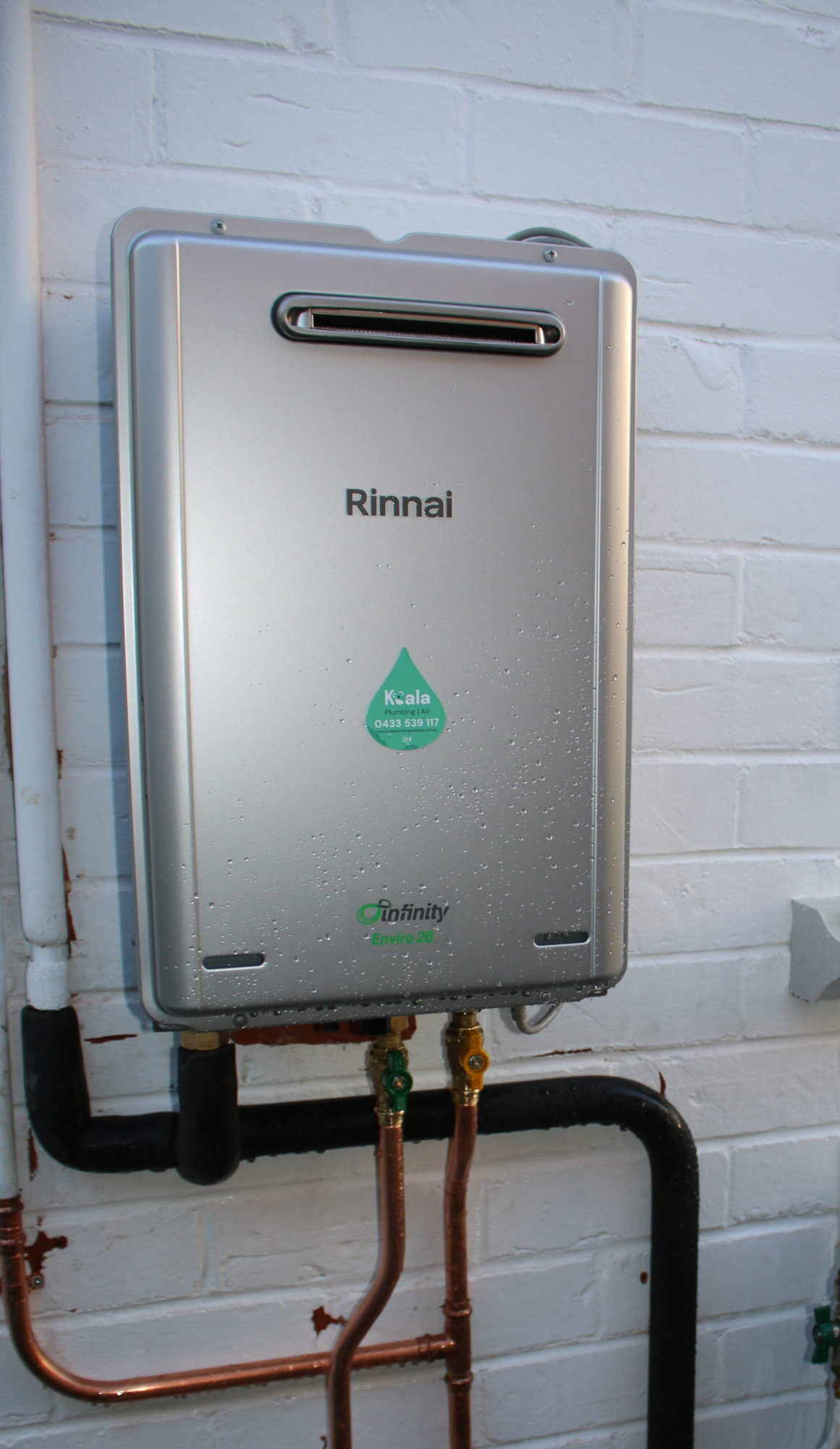
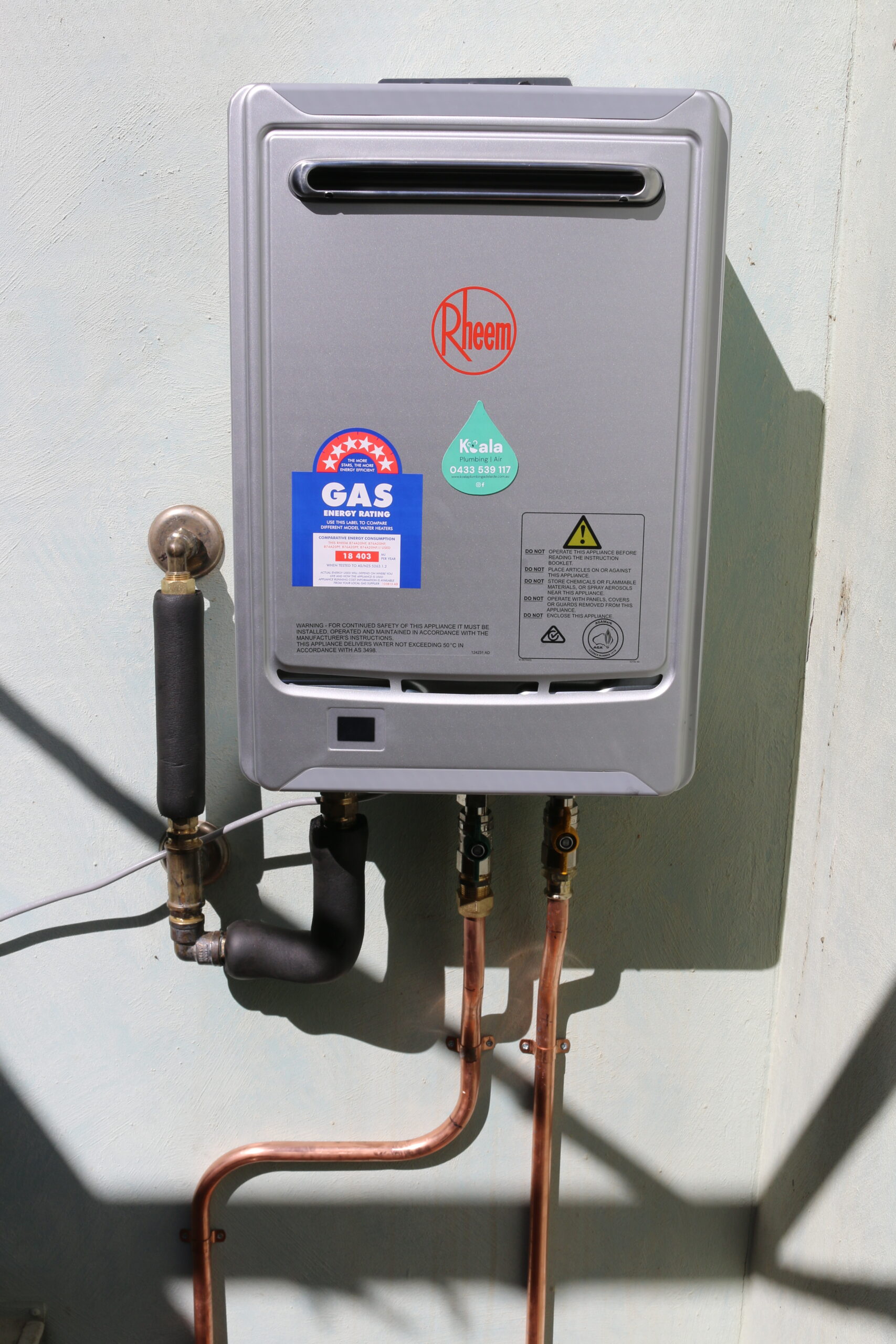
Hot Water Systems in Adelaide: Choosing, Repairing and Replacing the Right System
We don’t give much thought to our hot water system until it breaks, runs out of hot water or costs too much to operate. If you live in Adelaide, choosing a replacement is worth taking the time over because your fuel source, demand variations, space limitations and existing solar will all factor in to which system is right for you.
System options include electric storage, gas, continuous flow gas, heat pump and solar hot water systems. Each system has varying capital costs, operating considerations and installation requirements. Choose the right system to suit your home and your family’s demand for hot water, rather than simply replacing like with like.
Factors to consider when comparing Adelaide hot water systems are:
- Household demand
- Available energy services
- Installation space
- Available rooftop space for solar
- Total running costs
Heat pumps with solar will reduce dependency on grid electricity, while continuous flow gas units have no storage losses. Compare all new/replacement hot water systems to South Australia’s current state installation standards.
Contents
The Main Types of Hot Water Systems
When selecting a hot water system for your Adelaide home, you will find that you have quite a few options. It’s easier to categorise them by how they heat and store hot water. Storage systems store hot water, and continuous flow systems heat water on demand.
Australian Government energy guides estimate that hot water systems account for approximately 15% to 30% of household energy usage. This makes choosing the right system an integral part of your home energy plan, particularly if you need to replace your old system anyway.
| System type | How it works | Main advantage | Main trade-off | Often suits |
|---|---|---|---|---|
| Electric storage | An electric element heats water held in a tank. | Simple technology and relatively low purchase cost. | Stored water loses heat and conventional resistance heating can be costly to run. | Homes needing a straightforward replacement, especially where tariffs or solar improve the economics. |
| Gas continuous flow | A burner heats water when a tap opens. | No tank to keep hot and a compact footprint. | Needs suitable gas supply, flow capacity and compliant flue or outdoor siting. | Homes already using gas and wanting continuous hot water. |
| Heat pump | Electricity powers a refrigeration cycle that transfers heat from surrounding air into stored water. | Much lower electricity use than conventional electric resistance heating. | Higher upfront cost, space and airflow requirements, plus some compressor noise. | Homes prioritising efficiency, especially with rooftop solar. |
| Solar hot water | Roof collectors heat water stored in a tank, usually with a booster. | Uses solar energy directly for water heating. | Higher installation complexity and suitable roof conditions are important. | Properties with good solar access and space for collectors and storage. |
Electric storage tends to be the most well-known technology and easiest to understand. Electric can make sense when existing panel capacity and tank placement are well suited to where it is needed in the home already. Considerations should still be made beyond purchase cost. Consider how the unit will be scheduled, if you have access to controlled-load tariff and if rooftop solar can offset some of the demand for heat.
Gas systems can be storage or continuous flow. Continuous flow ones eliminate the need to keep a tank hot all day and can provide hot water for an extended period. However, the unit still must be sized to accommodate simultaneous outlets. Running two showers and a kitchen tap at the same time creates a different flow requirement than one bathroom home would need.
Heat pump water heaters transfer heat using electricity, rather than converting all their energy to heat from an electric resistance element. Official estimates put a heat pump at 30% of the energy use of a standard electric hot water heater. The negatives are higher upfront costs and requiring some nearby outdoor space with airflow.
Solar hot water systems consist of roof mounted collectors (or evacuated tubes) and a storage tank. A booster heater provides hot water when solar energy cannot meet demand. Solar hot water can perform effectively in areas where roof orientation, shading and access for installation are optimal, however care should be taken when specifying the entire system rather than viewing the collectors as a like-for-like appliance replacement.
How to Choose the Right System for an Adelaide Home
The best choice depends on the house before it depends on the brand. Size it based on existing services and the home’s maximum load, then look for systems to meet that load without generating excess install jobs.
- Number of occupants and shower schedules: determine how many occupants require hot water during peak hour usage, rather than how many people reside on the premises.
- Existing energy supply: note whether the home has reticulated gas, sufficient electrical capacity, rooftop solar or is controlled-load connected.
- Peak flow: are there often several showers/baths/hot taps running at once?
- Space: storage tanks require an appropriate base and access for maintenance; heat pumps require good airflow; continuous flow units need compliant positioning.
- Roof conditions: needs good solar exposure, strong structure and easy pipe distribution for solar hot water.
- Upfront vs. running cost: consider installation costs vs. probable energy usage over the system’s life.
- Noise from neighbours: when deciding where to site a heat pump compressor, bedrooms, boundaries and external living areas should be taken into consideration.
Availability of rooftop solar should also factor into this decision. If an electric resistance tank or heat pump can be occasionally scheduled to heat during the solar-production window (i.e. daytime), then more household generated electricity will be used on site. Federal guidance on using solar generation for electric hot water notes that the benefit depends on the system’s power demand and the household electricity tariff. Heat pumps use less electricity than conventional resistance systems, so are easier to match with available solar generation.
Sizing is another consideration. An oversized storage system will be heating more water than you need for your household. An undersized one will disappoint with cold showers when you need them most. Continuous flow systems are sized in another way: the critical question is how much flow at what temperature rise will be needed when multiple outlets are drawing at the same time.
Repair or Replace? A Practical Checklist
A failed component does not necessarily mean the entire hot water system should be replaced. The practical question becomes whether or not the fault is isolated and economical to repair or if it is one symptom of a system that has exceeded its useful service life.
A plumber may be able to inspect the unit and diagnose repairable problems vs structural faults. Here are things to consider before signing off on a replacement:
- Where is the water coming from? A leaking fitting or valve can be very different from a tank that is leaking through the cylinder itself.
- Is the temperature problem constant or intermittent? Thermostats, heating elements, ignition components and flow sensors can produce different symptoms.
- Is the tank or casing visibly corroded? Widespread corrosion can make repeated component repairs poor value.
- Have repair calls become frequent? Several unrelated failures in a short period can justify comparing replacement costs.
- Does the current system still suit the household? Often repair will allow the system to operate, but not resolve an existing capacity issue.
- Would replacement require a different compliant system type? South Australian water-heater requirements can affect what may be installed at a particular property.
If there is spraying, turn the water off to the unit if feasible and avoid contact with electrical or gas connections. Big leaks can damage flooring, walls and nearby appliances, so treat this as a “service call” situation rather than waiting for it to fail entirely.
What a Compliant Installation Should Include
Hot water installation work is regulated in South Australia. The install should be appropriate to the heater, the property and any relevant plumbing, gas or electrical requirements. It shouldn’t just involve hooking up a new system to existing pipework.
Requirements by the South Australian Government also include that water heaters may only be installed by a plumber who is licensed or registered. The plumber is also required to supply you with a Certificate of Compliance once work is complete. Some solar and electric heat pump systems are eligible for Small-Scale Technology Certificates depending on what is offered in the scheme at the time and what product you install.
The specification of a sound installation will include:
- The water supply
- Isolation valves
- Relief drainage
- Insulation of pipes where necessary
- Clearances for safety
- Access for future servicing
- Any gas/electricity that is involved with the selected system
Selecting a different system type can introduce additional requirements that would not have been necessary when doing a like-for-like replacement.
Temperature control is also a matter of safety. Limitations on delivery temperature at personal-hygiene outlets are imposed by provisions of South Australia’s National Construction Code. This threshold is 50°C for typical cases and 45°C for pre-defined higher-risk buildings, but the installer should understand how those thresholds apply to each unique building and system configuration.
The compliance certificate is good to keep with your household records. It certifies that regulated work was done and is handy for future servicing or renovations/addition to property records.
Reducing Hot Water Running Costs
The cheapest system to buy is not necessarily the cheapest system to own. Operating expense depends on the technology, tariff, hot water volume needed, system losses, and suitability to your home.
- Fix unnecessary hot water use first. A high-flow shower can make an otherwise well-sized system work much harder.
- Use solar generation deliberately where the system and tariff allow it. Heating water during strong rooftop solar production can increase self-consumption.
- Avoid oversizing. Extra stored volume can mean extra standing losses without improving comfort.
- Insulate accessible hot water pipework where appropriate so less heat is lost between the heater and the outlets.
- Address faults early. A dripping hot tap or faulty valve or control will lose water and energy.
- Compare total ownership cost when replacing a unit. Factor in installation costs or changes, anticipated energy consumption, maintenance requirements and available incentives, not just appliance cost.
Heat pumps should be a consideration for homes looking at electrification, as they use far less electricity than traditional electric resistance water heating. Solar hot water can decrease purchased energy as well, but make sure your roof is suitable and installation isn’t more difficult before deciding solar is the better option.
Questions to Ask Before Approving a Replacement
It’s easy to compare quotes when everyone is quoting for the same scope of work. The lowest price on an appliance can be misleading when one quote includes valves, electrical, disposal and compliance while another quotes those items extra.
- What system capacity or flow rate is being proposed, and what household demand is that based on?
- Does the quote include removal and lawful disposal of the old unit?
- Are new isolation, pressure-control or temperature-control components required for this installation?
- Will any electrical or gas work be required, and if so is that included in the quoted scope?
- What are the discharge points for relief and condensate drainage, especially for storage tanks and heat pump systems?
- What manufacturer warranty applies to the unit, and what workmanship coverage applies to the installation?
- Will a South Australian compliance certificate be provided on completion?
- If an incentive is being deducted from the price, what scheme is it based on and what eligibility conditions apply?
To think about technology change, ask yourself what else changes when you change the heater. Changing from gas to heat pump alters electrical supply, location of unit, drainage and outside space available. Changing from storage tank to continuous flow alters the sizing question from litres stored to simultaneous demand flow.
A transparent quote will make those assumptions apparent. That provides the homeowner with a more solid foundation for comparing systems and lessens the likelihood that required installation labour will show up later on as an unplanned addition.
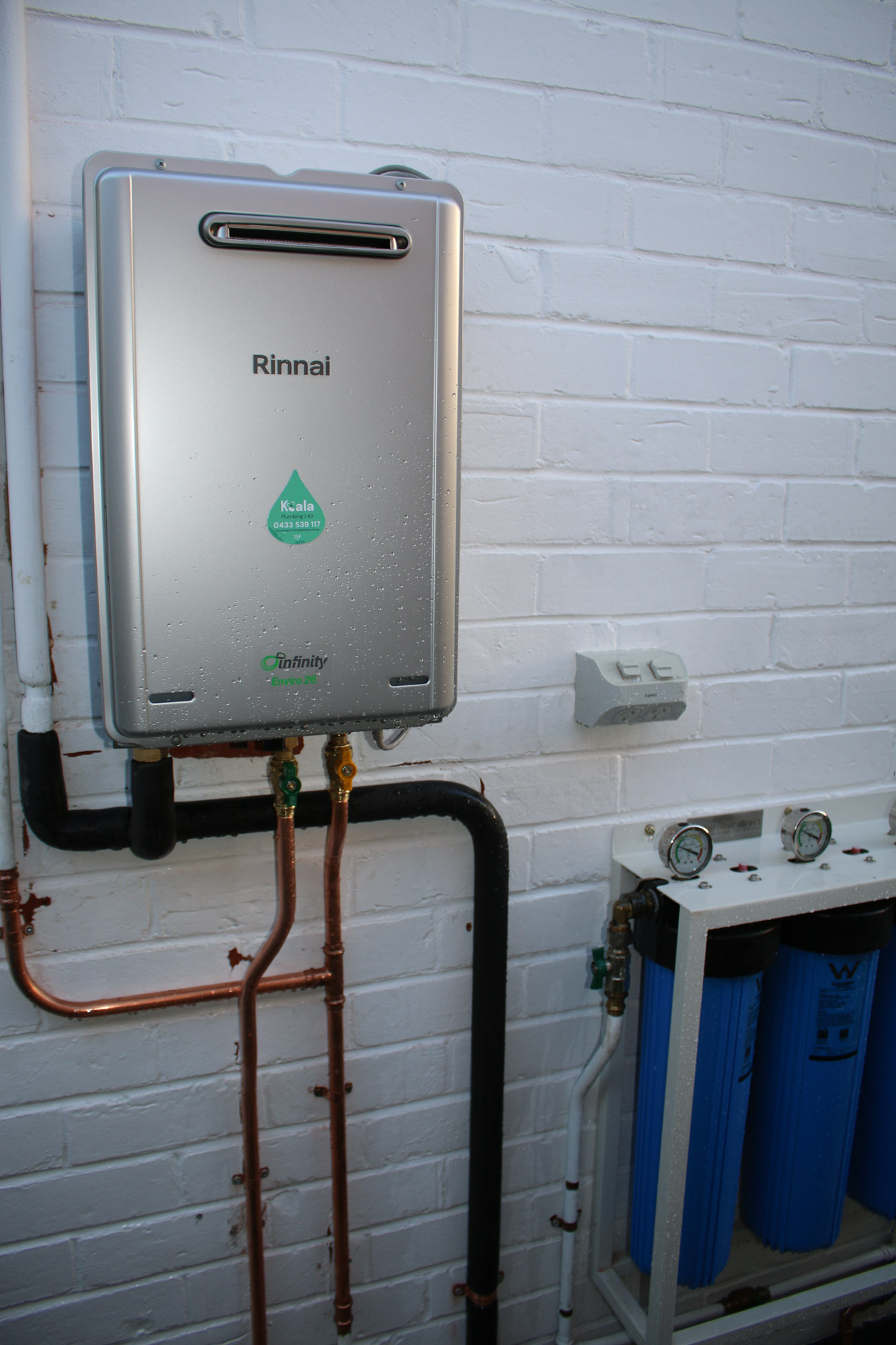
When to Call a Hot Water Plumber
Repair professionals can be called if your system:
- Develops a leak
- Cycles off temperature repeatedly
- Doesn’t ignite
- Trips electrical protection devices
- Makes strange noises
- Can’t keep up with normal household usage anymore
The odour of gas, evidence of overheating and uncontrolled water discharge should be addressed immediately.
Koala Plumbing Adelaide offers hot water installation and repair services throughout metro Adelaide. They mention gas, electric, solar and heat pump systems on their site. The business also advertises 24/7 availability and doesn’t charge call-out fees.
By planning ahead for your replacement and scheduling an evaluation before your current unit fails, you give yourself time to research available system types, installation options and available incentives. With an emergency replacement, the decision is narrowed down to whatever will get you hot water quickest.
Frequently Asked Questions
Hot Water System FAQs
Heat pumps and solar hot water will usually give you the biggest bang for buck in terms of purchased energy reduction, though this isn’t always site-appropriate. Heat pumps draw significantly less electricity than resistance based heating. Solar hot water requires appropriate roof access, and still needs a supplemental booster for days with inadequate solar gain.
Continuous flow systems do not have tank standing losses or run out of stored hot water, however they need to be sized to meet flow rate requirements. Storage systems may be simpler to incorporate into some homes. Storage systems can also be timed to use off peak electricity or rooftop solar.
Often, but the property needs a suitable location, electrical supply, airflow and drainage arrangement. South Australian installation rules should also be confirmed for your particular replacement. Ensure these things are looked at before you order a unit.
Solar and electric heat pump water heaters can be eligible for Small-Scale Technology Certificates. Other offers may vary from time to time, so confirm current eligibility prior to including an incentive in the replacement budget.
Plan the Replacement Before the Cold Shower
The first step in choosing the right hot water for your home is understanding your home and family’s needs. Take into account demand and fuel type availability, space restrictions, solar opportunities and installation and ongoing operating costs when selecting a new hot water system.
When the current system is already showing warning signs, an early inspection allows time to weigh repair vs. replacement. That’s almost always a better position to be in than making that decision when you’re desperate for a new system because the old one failed.
The only brands Koala Plumbing trusts









Areas of Service
We Go Everywhere in SA
We service all suburbs across the greater metropolitan area of Adelaide, including the Adelaide Hills.
